

Drone Safety and Risk Management
Ensuring the safety of UAVs (Unmanned Aerial Vehicles) during operation is of utmost importance. With the growing usage of drones in industries like agriculture, delivery services, and surveillance, effective safety and risk management strategies are necessary. This article covers best practices for flight safety, pre-flight checks, and data security protocols to ensure safe and responsible drone operations.
1. Flight Safety Best Practices
Safe drone operations start with rigorous planning and execution. Here are some essential best practices for flight safety:
1.1 Pre-Flight Checklists
Before each flight, it is critical to perform a comprehensive pre-flight inspection. This checklist ensures that all systems are functional and that the drone is in optimal condition for flight. A typical pre-flight checklist includes:
- Battery check: Ensure that the battery is fully charged and securely connected.
- Firmware update: Verify that the drone's firmware is up-to-date.
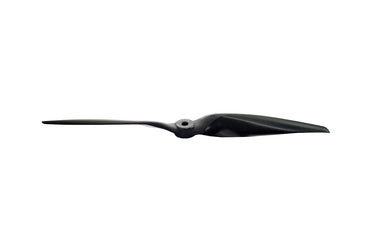
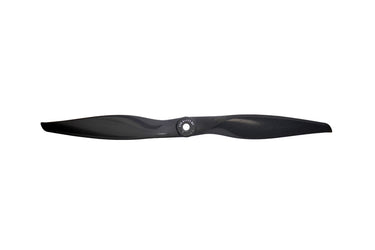
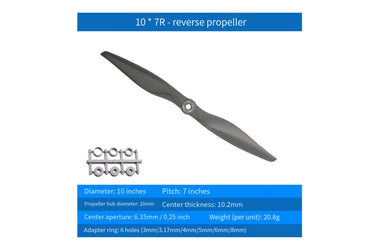
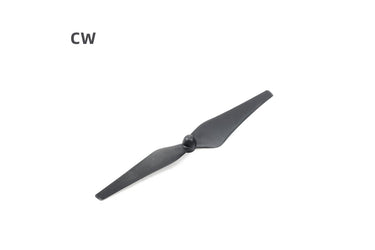
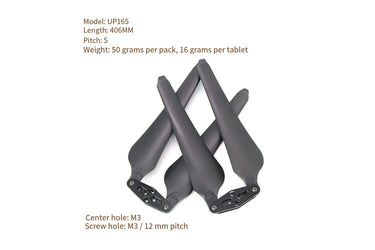
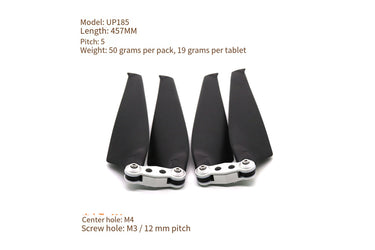
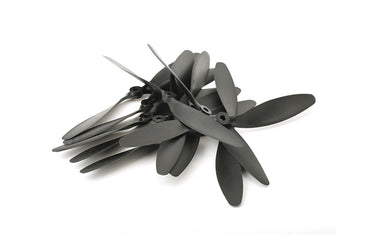
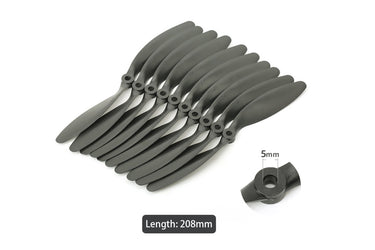
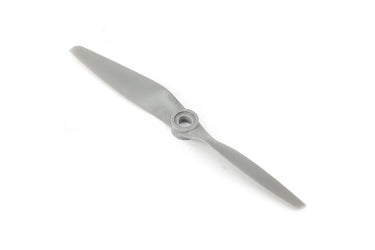
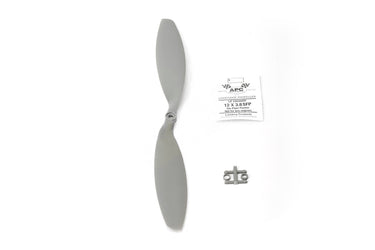
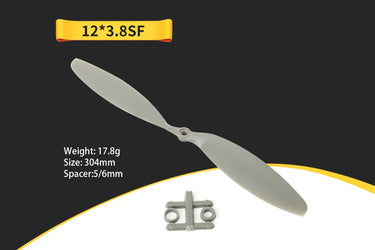
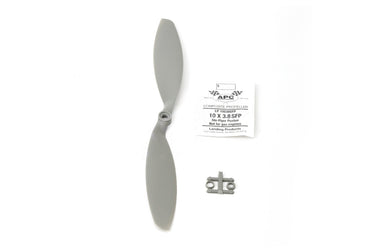
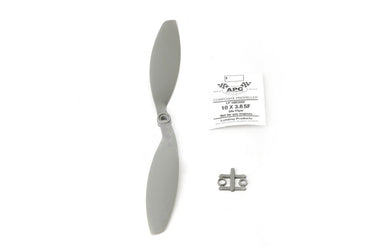
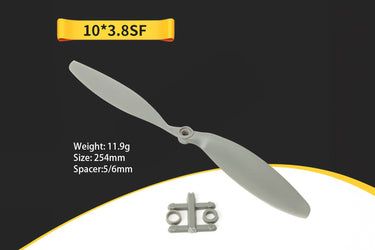
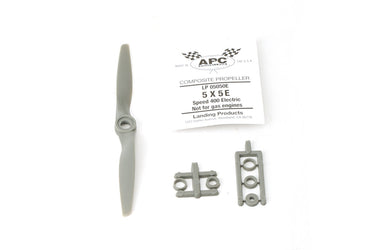
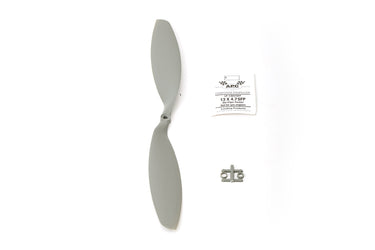
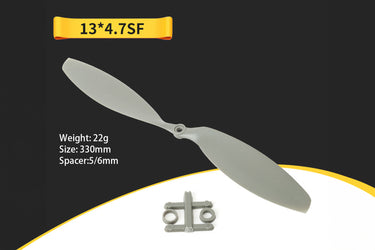
- Propellers: Inspect the propellers for damage and ensure they are securely attached.
- Flight controls: Test the drone’s flight controls and verify responsiveness.
- Weather conditions: Check weather conditions to avoid flying in poor conditions (high winds, rain, etc.).
- GPS signal: Ensure the drone has a strong GPS signal for stable navigation.
1.2 In-Flight Safety Protocols
During the flight, operators must adhere to safety protocols to minimize risks and prevent accidents:
- Maintain line of sight: Always keep the drone within visual line of sight (VLOS).
- Altitude limits: Adhere to local regulations for altitude restrictions to avoid conflicts with manned aircraft.
- Avoid flying over people: Drones should not fly over crowds to mitigate injury risks in case of a malfunction.
- Emergency protocols: Have a clear emergency response plan in case of a drone malfunction or loss of control.
1.3 Post-Flight Safety Review
After the flight, conduct a post-flight check to ensure that the drone is in good condition and that no damage occurred. This includes:
- Inspect the drone’s structure, propellers, and sensors for any visible damage.
- Check the data storage for successful retrieval of flight data and images.
- Review flight logs for performance anomalies.
2. Data Security and Privacy
With drones collecting large amounts of data during flight, it is essential to address data security and privacy concerns. UAV operators must follow best practices to protect sensitive information and ensure compliance with data protection regulations.
2.1 Protecting Data Collected by Drones
Most drones collect a variety of data, including GPS coordinates, video footage, and sensor data. It is crucial to ensure that this data is handled and stored securely to prevent unauthorized access. Some best practices include:
- Encryption: Encrypt data both during transmission and storage to prevent unauthorized access.
- Access control: Restrict access to sensitive data based on roles and permissions.
- Data backup: Regularly back up data to secure servers to prevent data loss in case of device failure.
2.2 Compliance with Data Protection Laws
Drone operators must comply with local and international data protection regulations to ensure that they handle personal and sensitive data responsibly. For example:
- GDPR (General Data Protection Regulation): If drones are used in the EU, operators must ensure compliance with GDPR, especially when collecting personal data like video footage of individuals.
- CCPA (California Consumer Privacy Act): Operators in California must comply with CCPA when collecting data from residents of California.
2.3 Data Minimization and Anonymization
Data minimization is a principle where operators collect only the necessary data for their operations. In addition, anonymizing data (e.g., blurring faces in video footage) helps protect the privacy of individuals captured by drones.
Conclusion
Drone safety and risk management are critical components of responsible UAV operation. By following flight safety best practices, conducting thorough pre- and post-flight checks, and ensuring robust data security measures, operators can mitigate risks and enhance the reliability of their drone operations. As the use of drones continues to grow, staying informed and adhering to industry standards will ensure safe and secure UAV flights.
Meta Description
Learn the best practices for drone flight safety, pre-flight checks, and data privacy to ensure safe and secure UAV operations. Follow our guide for comprehensive risk management.
Keywords
drone safety, UAV safety, flight checklists, risk management, drone privacy, UAV data security, drone regulations, flight protocols