

Fixed-Wing Drone Pre-Flight Checklist: Essential Safety Protocol
Why This Checklist Matters
-
Reduces 92% of operational failures (NTSB Aviation Safety Data)
-
Mandatory for FAA Part 107/ISO 21384-3 compliance
-
Prevents costly crashes (avg. repair: $2,500+)
————————————————————————————————————
I. Environmental & Site Assessment
1. Weather Conditions
-
Wind: Confirm ≤ manufacturer’s max. takeoff/landing speed (e.g., < 15 knots)
-
Visibility: Minimum 3 SM (visual line-of-sight operations)
-
Precipitation: Zero tolerance unless IP54+ rated
-
Temperature: -10°C to 40°C operational range (verify battery specs)
2. Airspace Compliance
-
Check NOTAMs via Kittyhawk or AirControl
-
Scan for manned aircraft (ADSBexchange.com)
-
Confirm GEO Zone unlocks (DJI Pilot 2 required)
3. Launch/Landing Zone
| Parameter | Requirement |
|---|---|
| Runway Length | ≥ 1.5x takeoff distance |
| Surface Slope | ≤ 3° gradient |
| Obstacle Clearance | 15° cone from runway ends |
| Emergency Landing | 2+ identified zones |
II. Aircraft Physical Inspection
Critical Components
-
Airframe: Stress fractures at wing roots/fuselage joints
-
Control Surfaces:
-
Freedom of movement (ailerons/elevator/rudder)
-
Hinge security - tighten loose bolts
-
-
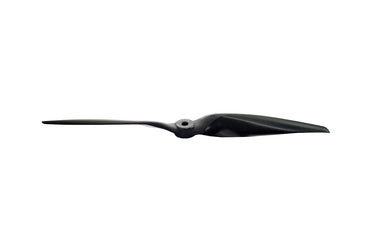
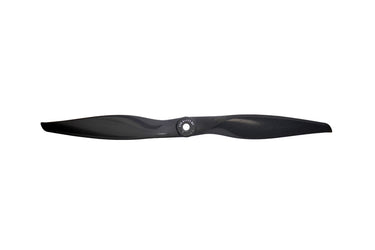
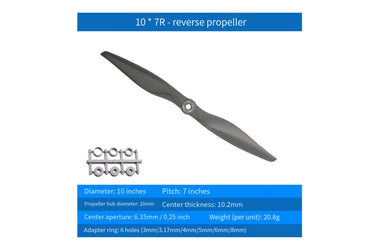
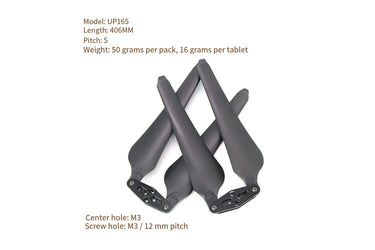
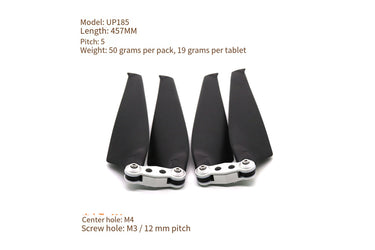
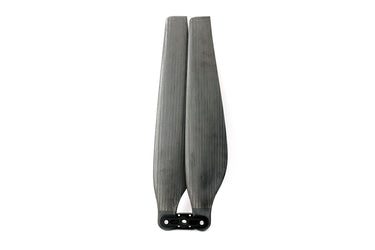
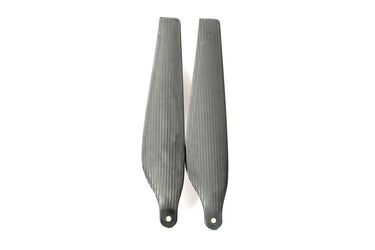
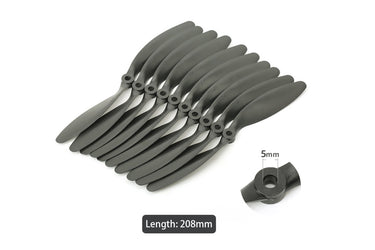
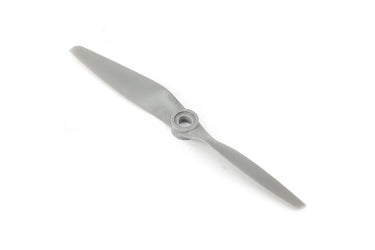
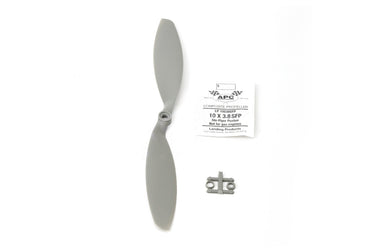
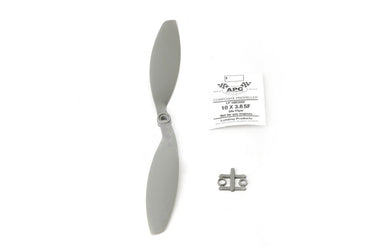
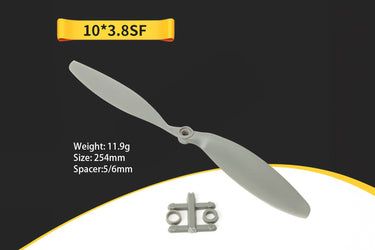
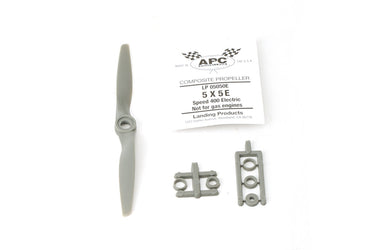
Propeller:
-
Damage: Reject if >1mm chip on leading edge
-
Balance: Vibrations indicate imbalance
-
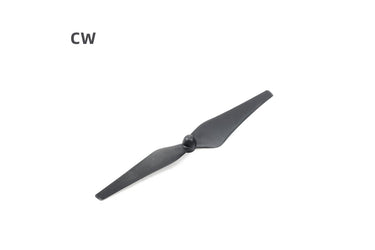
Mounting: Confirm clockwise tightening (standard rotation)
-
-
Power Systems:
-
Electric: Battery cell deviation <0.05V (e.g., 4.15V±0.05)
-
Combustion: Fuel filter contamination check
-
-
Sensors:
-
Pitot tube obstruction test (blow through verification)
-
Lens cleaning with microfiber cloth
-
III. Control System Verification
Link & Calibration
-
RC Transmitter:
-
Stick calibration via manufacturer software
-
Fail-safe activation test (RTH trigger on signal loss)
-
-
Data Links:
Link Type Test Method Pass Criteria Telemetry Packet loss diagnostic <2% over 30 sec Video Latency check ≤200ms 720p feed -
GNSS:
-
HDOP ≤ 1.2 (optimal)
-
Minimum 12 satellites locked
-
IV. Mission Configuration
Flight Planning Essentials
-
Route Optimization:
-
Terrain clearance: Altitude ≥ highest obstacle + 15%
-
No-fly zones buffer: 50m horizontal separation
-
-
Payload Settings:
-
Gimbal pre-flight stabilization test
-
Sensor focal calibration (LiDAR/Multispectral)
-
-
Contingency Protocols:

V. Pre-Launch Final Check (T-5 Minutes)
-
Crew communication: "Flight controls – RESPONSIVE"
-
Public announcement: "Launch commencing – CLEAR AREA"
-
Throttle test: 50% power for 10 seconds (monitor vibrations)
-
Flight mode confirmation: "MANUAL" for takeoff
-
Go/No-Go decision documented in flight log