


Drone Hardware: The Backbone of Every Flight
Drones, also known as unmanned aerial vehicles (UAVs), rely on several critical hardware components that ensure their functionality, stability, and effectiveness. Let’s break down the essential elements of drone hardware:
Flight Control Systems
The flight control system is the brain of the drone, responsible for stabilizing flight and managing all navigation tasks. It includes the following:
- Flight Controller (FC): The FC manages the data from sensors like gyros, accelerometers, and GPS modules to ensure the drone flies smoothly. With real-time data analysis, the FC makes corrections to the flight path as needed.
- PID Controllers: Proportional, Integral, Derivative (PID) controllers adjust the drone's motors to ensure the correct altitude, attitude, and position.
- Sensors Integration: Advanced flight controllers integrate multiple sensors to work together seamlessly, improving stability and efficiency.
Sensors
Sensors are key to enabling drones to perceive their surroundings and make informed decisions. The most commonly used sensors in drones include:
- Accelerometers and Gyroscopes: These help with orientation control by measuring changes in velocity and angular position.
- Barometers: Used to measure altitude by detecting changes in air pressure.
- GPS Systems: Essential for location tracking and ensuring precise navigation, GPS systems also help drones with autonomous flight and geofencing.
- LIDAR and Cameras: In advanced systems, LIDAR and cameras help with obstacle avoidance and provide detailed environmental data for mapping and surveying.
Power Systems
The power system is crucial for the drone’s operational endurance. It consists of:
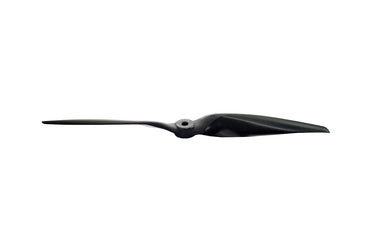
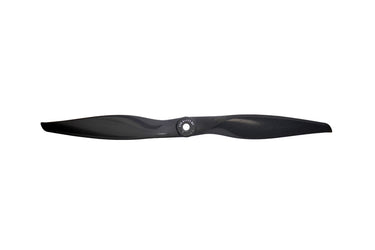
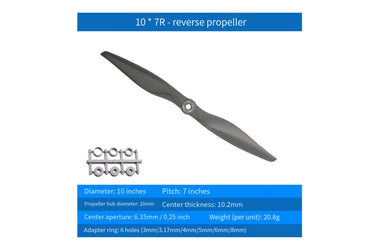
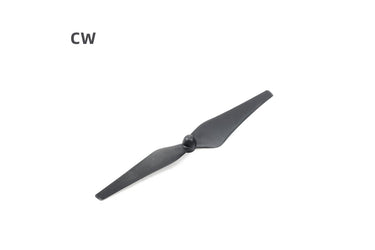
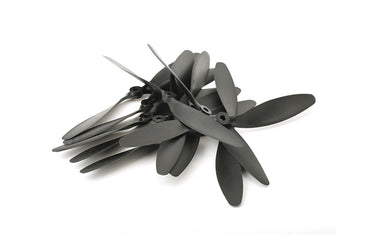
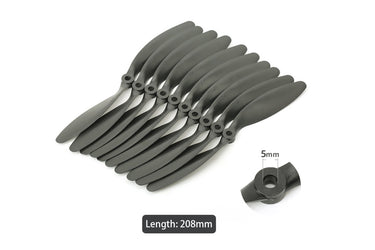
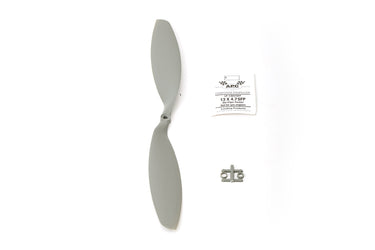
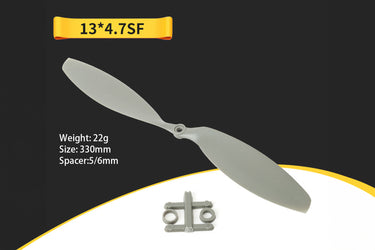
- Motors: Drones use brushless motors, which offer high efficiency and minimal wear. The motors are connected to the propellers and determine the flight speed and stability.
- Batteries: Lithium-polymer (LiPo) batteries are commonly used due to their high energy density and ability to withstand the high discharge rates needed during flight.
- ESCs (Electronic Speed Controllers): ESCs manage the power sent to the motors, ensuring smooth acceleration and deceleration for better flight control.
Drone Software: Empowering Intelligent Flight Operations
While hardware components form the physical structure of a drone, software is responsible for the drone’s intelligence. The software enables the drone to navigate autonomously, avoid obstacles, perform complex flight maneuvers, and more.
Flight Control Software
Flight control software manages all the core functions of the drone, from navigation to stabilization. These programs receive data from sensors and make real-time decisions about how to adjust the drone’s flight path. Some notable flight control software systems include:
- ArduPilot: An open-source flight control software that supports various drone platforms, including planes, helicopters, and multi-rotors.
- PX4: A widely used open-source software stack, offering advanced autonomy and integration with various hardware platforms.
- DJI Flight Software: Specific to DJI drones, this software is optimized for commercial and industrial applications, providing enhanced stability and precision in flight.
Mission Planning Software
Mission planning software is essential for automating drone flights. It helps plan, configure, and monitor flight paths, ensuring the drone follows a pre-defined route. Key features include:
- Waypoints: The software allows users to program specific GPS coordinates that the drone will follow during flight.
- Path Optimization: Using AI, mission planning software can adjust flight paths in real-time to avoid obstacles or adjust for environmental conditions.
- Autonomous Flight Mode: These systems support the drone in completing fully autonomous tasks, including surveying, monitoring, or delivery services.
Data Processing and Analytics Software
Drones are equipped with advanced sensors that collect vast amounts of data during flight. Data processing and analytics software enable businesses to turn this raw data into actionable insights. Examples include:
- Geospatial Data Analysis: GIS (Geographical Information Systems) tools are used to analyze topographic data collected from aerial surveys, helping industries like agriculture, construction, and urban planning.
- Real-time Video Analytics: Drones equipped with cameras or LIDAR sensors can transmit live footage or scans to ground control, enabling immediate decision-making, especially for security and surveillance.
- Data Storage and Processing: In addition to collecting data, software is used to manage storage and process large datasets. Cloud-based platforms enable seamless access and data sharing.
Integrating Hardware and Software: A Unified System
The true power of drone technology lies in the integration of hardware and software. Each component, from flight controllers to sensors, is designed to seamlessly interact with the software that processes and makes sense of their data. This interaction ensures that drones can:
- Fly autonomously: Using flight control systems and mission planning software.
- Avoid obstacles: Sensors detect obstacles, while software makes flight adjustments to avoid collisions.
- Gather data: Sensors and cameras provide critical environmental data, while software processes this information to make decisions or provide insights.
Conclusion: The Future of Drone Technology
Drone technology has come a long way from simple remote-controlled aircraft to highly advanced autonomous flying systems. With continuous innovations in both hardware and software, drones are becoming increasingly capable, reliable, and accessible for a variety of applications.
In the coming years, we can expect even more powerful hardware systems, alongside more intelligent and versatile software. As drone technology continues to evolve, it will undoubtedly have a profound impact on industries such as agriculture, logistics, security, and more.