

The Complete Guide to UAV Technology and Modern Drone Systems
An Unmanned Aerial Vehicle (UAV), commonly known as a drone, is an aircraft that operates without an onboard human pilot. UAVs can be remotely controlled or fly autonomously using onboard computers, sensors, and navigation systems. With rapid technological development, UAV technology is now widely used in agriculture, mapping, industrial inspection, logistics, and public safety.
Evolution of UAV Technology
UAV technology has evolved rapidly over the past decade. Early drones were primarily designed for hobby use and simple reconnaissance. Modern UAV systems integrate advanced flight controllers, high-efficiency propulsion systems, intelligent sensors, and autonomous navigation algorithms, enabling complex and reliable flight missions.
Today, industrial-grade UAVs are capable of carrying heavy payloads, supporting long-distance communication, and operating in challenging environments.
Core Components of UAV Systems
A modern UAV consists of several essential subsystems that work together to ensure stable flight and mission success.
Flight Control System
The flight control system is the central unit of a UAV. It processes data from gyroscopes, accelerometers, magnetometers, GPS modules, and barometers to maintain stability and control. Advanced flight controllers support autonomous flight modes, waypoint navigation, and safety features such as return-to-home.
Power and Propulsion System
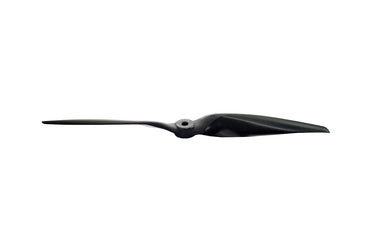
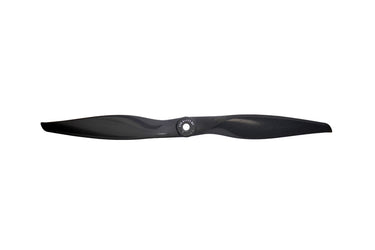
The propulsion system provides thrust and lift for UAV flight. Common power solutions include:
- Electric power systems using lithium polymer batteries
- Internal combustion engines for long-endurance fixed-wing UAVs
- Hybrid power systems combining fuel engines and electric motors
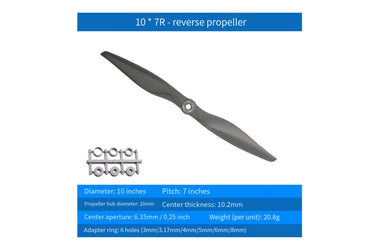
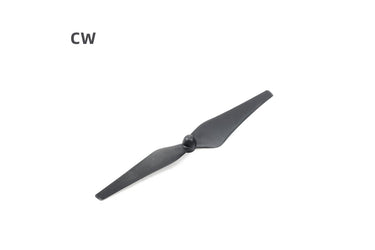
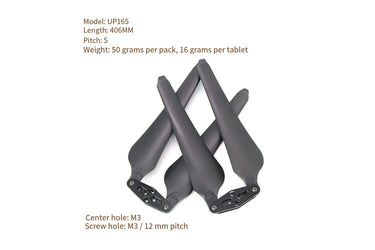
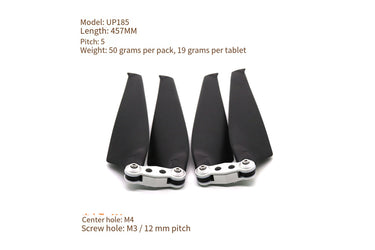
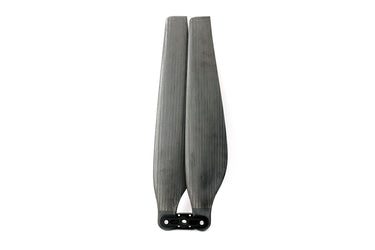
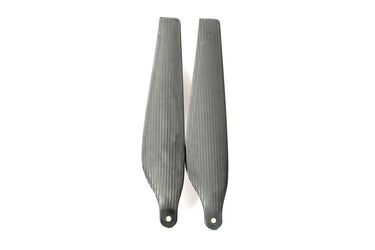
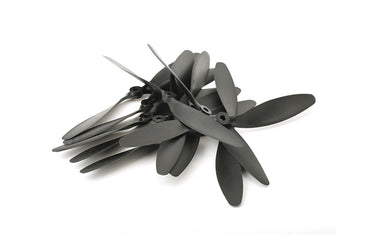
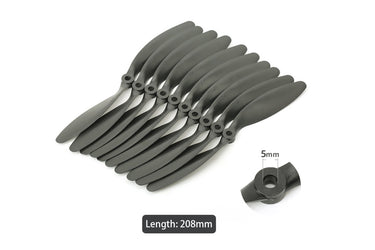
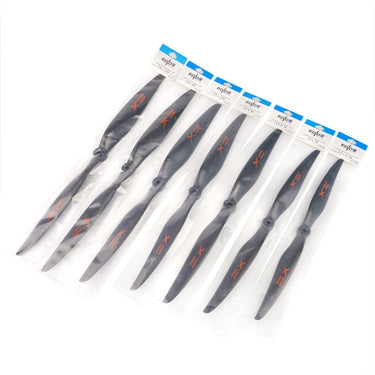
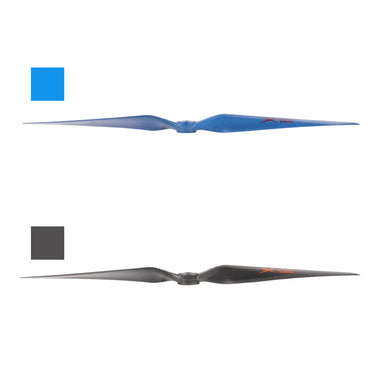
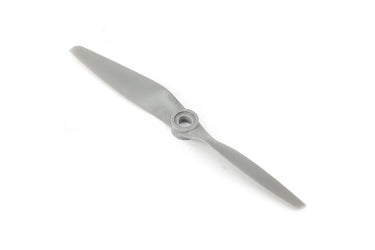
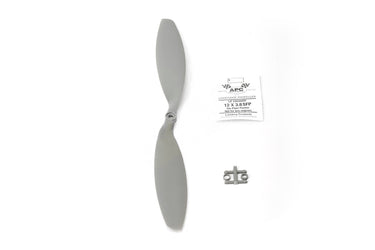
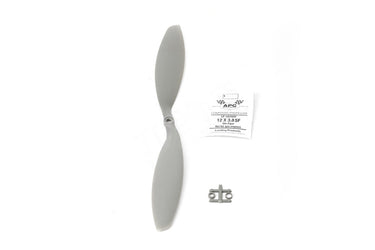
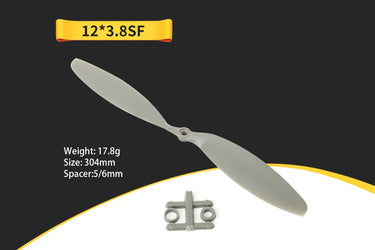
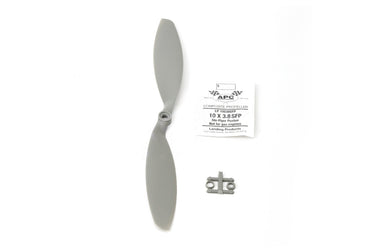
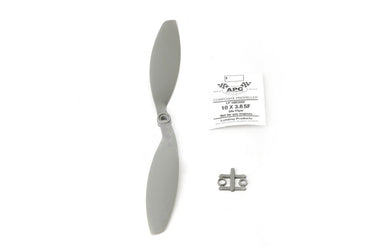
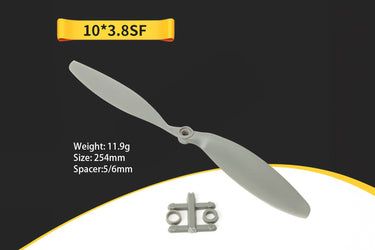
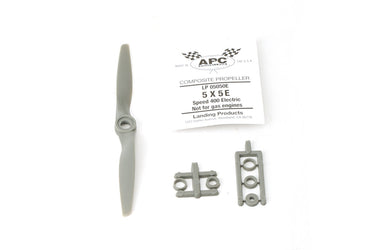
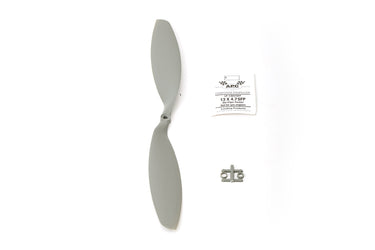
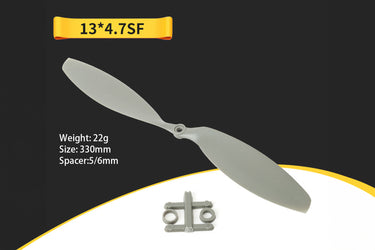
Brushless motors, electronic speed controllers, and optimized propellers are critical for improving efficiency and flight performance.
Payload and Mission Equipment
Payloads allow UAVs to perform specialized missions. Common payload types include:
- High-resolution cameras for aerial photography and mapping
- Thermal and multispectral sensors for agriculture and inspection
- LiDAR and radar systems for terrain modeling
- Spraying systems for precision agriculture
Main UAV Platform Types
VTOL UAVs
Vertical Take-Off and Landing UAVs combine multirotor and fixed-wing advantages. They do not require runways and can transition to efficient forward flight, making them suitable for surveying, mapping, and long-range inspection missions.
Fixed-Wing UAVs
Fixed-wing UAVs are designed for long endurance and wide-area coverage. Their aerodynamic structure enables longer flight times and higher cruising speeds, making them ideal for mapping, environmental monitoring, and pipeline inspection.
Multicopter UAVs
Multicopters offer excellent stability and precise hovering capability. They are commonly used for aerial photography, infrastructure inspection, and short-range surveying tasks.
How UAV Technology Works
Autonomous Flight and Navigation
Modern UAVs use intelligent algorithms to manage autonomous navigation, flight stabilization, and obstacle avoidance. Sensor fusion allows drones to adapt to changing environments in real time.
Communication and Telemetry
UAV communication systems transmit control signals, telemetry data, and video streams between the aircraft and the ground station. Reliable communication ensures safe and accurate mission execution.
Energy Management
Battery management systems monitor voltage, temperature, and current to protect power systems and maximize flight time. Continuous advancements in battery technology are improving UAV endurance.
UAV Applications
Aerial Photography and Mapping
UAVs equipped with stabilized cameras enable high-quality aerial photography and photogrammetry for media and surveying applications.
Precision Agriculture
Agricultural drones support crop monitoring, field analysis, and precision spraying, helping farmers reduce costs and increase productivity.
Industrial Inspection
Drones are widely used to inspect power lines, wind turbines, bridges, and rooftops, improving safety and efficiency.
Search and Rescue
UAVs with thermal imaging systems assist emergency teams by quickly locating missing persons in difficult terrain.
Challenges and Regulations
UAV operations face challenges such as limited battery capacity, environmental factors, and payload restrictions. In addition, aviation authorities regulate airspace usage, pilot certification, and operational safety.
Future Trends in UAV Technology
Future UAV developments include artificial intelligence, swarm technology, hybrid power systems, and 5G communication integration. These innovations will further expand UAV capabilities and applications.
Conclusion
UAV technology has evolved into a powerful tool across multiple industries. With continuous innovation in flight control, propulsion, and sensing technologies, drones will continue to play a key role in the future of aerial operations.