


Comprehensive Guide to UAV Technology: Applications, Innovations and Industry Trends
UAV technology, short for Unmanned Aerial Vehicle technology, refers to advanced aerial systems that operate without an onboard pilot. These systems are widely used across agriculture, mapping, logistics, infrastructure inspection, public safety, and industrial automation.
What Is UAV Technology?
UAV technology integrates aerospace engineering, flight control software, sensor systems, propulsion units, and wireless communication to enable intelligent unmanned flight operations.
Main Components of UAV Systems
Airframe Structure
The airframe forms the physical body of the drone and is typically built from lightweight composite materials to achieve durability and aerodynamic efficiency.
Power and Propulsion Systems
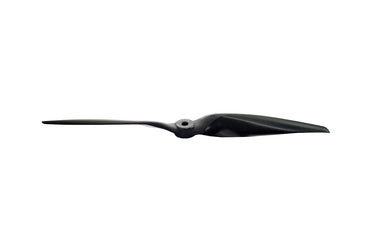
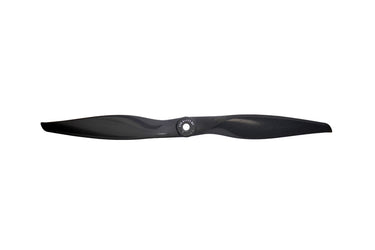
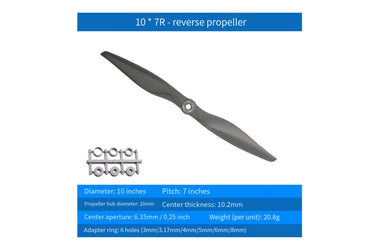
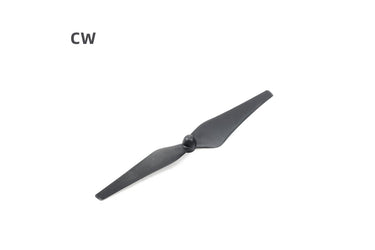
Brushless motors, hybrid engines, and high-density lithium batteries provide thrust and endurance for modern UAV platforms.
Flight Control and Navigation
Advanced flight controllers process real-time sensor data to maintain stability, automate missions, and support obstacle avoidance.
Sensors and Payload Technology
- High-resolution optical cameras
- Thermal imaging sensors
- LiDAR scanning systems
- Multispectral agricultural sensors
Types of UAV Platforms
Multi-Rotor Drones
Multi-rotor UAVs offer vertical takeoff, hovering capability, and high maneuverability, making them ideal for inspections and aerial photography.
Fixed-Wing UAV Systems
Fixed-wing drones deliver longer flight times and higher efficiency, commonly used for surveying, mapping, and large-scale monitoring.
VTOL UAV Technology
Vertical Take-Off and Landing UAVs combine the advantages of hovering with the endurance of fixed-wing flight, eliminating runway requirements.
Benefits of VTOL Drones
- Operation in confined environments
- Extended range and flight duration
- High payload versatility
- Efficient long-distance missions
Autonomous UAV Software and Artificial Intelligence
Modern UAVs use artificial intelligence for automated navigation, real-time obstacle detection, route optimization, and autonomous mission execution.
Major Applications of UAV Technology
Precision Agriculture
Drones monitor crop health, optimize irrigation, and improve agricultural productivity.
Mapping and Surveying
UAVs capture high-accuracy geospatial data for construction, land management, and environmental analysis.
Public Safety and Emergency Response
Unmanned aircraft assist in disaster assessment, search and rescue, traffic monitoring, and firefighting operations.
Industrial Inspection
UAV technology improves safety and efficiency when inspecting bridges, pipelines, wind turbines, and power infrastructure.
Drone Delivery Systems
VTOL UAVs support rapid logistics and medical supply transport in remote or urban environments.
UAV Safety Standards and Regulations
Global aviation authorities implement rules covering remote identification, airspace restrictions, and certification requirements to ensure safe drone operations.
UAV Industry Growth and Trends
The global UAV market continues to expand due to technological innovation, automation demand, and increasing commercial adoption.
Professional UAV Platforms by UAVMODEL
UAVMODEL develops advanced VTOL and fixed-wing UAV platforms designed for industrial missions including surveying, agriculture, security, and emergency response.
Future Developments in UAV Technology
- Fully autonomous drone fleets
- Long-endurance hybrid propulsion systems
- Swarm UAV coordination
- Enhanced sensor fusion technology
Conclusion
UAV technology is reshaping modern industries by delivering efficient aerial solutions for data collection, monitoring, and logistics. With rapid advancements in autonomy, power systems, and sensor integration, drones will continue to play a critical role in future operations.
Businesses adopting professional UAV systems gain significant advantages in productivity, safety, and operational flexibility.