

Drone Industry Trends and Future Outlook: Expected Developments in the Next 5 to 10 Years
The unmanned aerial vehicle (UAV) industry has experienced rapid growth in the past decade, evolving from niche applications to widespread use across industries. As we look ahead to the next 5 to 10 years, we can anticipate significant advancements in drone technology and the broader market. From AI-powered drones to 5G integration and autonomous flight capabilities, the landscape is set for major changes that will reshape industries and redefine possibilities.
Key Trends Shaping the Future of Drones
1. AI-Powered Drones
Artificial Intelligence (AI) is at the forefront of many technological innovations today, and the drone industry is no exception. AI-powered drones are already capable of performing tasks such as real-time object recognition, autonomous navigation, and predictive maintenance. In the next 5 to 10 years, we can expect drones to become even more intelligent, with enhanced decision-making capabilities and greater autonomy.
For instance, AI drones will be able to analyze vast amounts of data in real-time, enabling them to adapt to changing conditions, avoid obstacles, and complete complex missions without human intervention. This will lead to a surge in applications across industries such as agriculture, logistics, and disaster response.
Recommended Product: Skyeye S500 AI-Powered Drone
Check out the Skyeye S500 AI-Powered Drone available on UAVMODEL. It comes equipped with cutting-edge AI technology to ensure superior performance in autonomous navigation and real-time data processing.
2. Autonomous Flight Technology
The push for fully autonomous drones is a key trend in the UAV industry. In the next decade, we will see a greater adoption of autonomous flight technology, where drones can navigate through environments without the need for human pilots. Advances in machine learning, sensor fusion, and communication networks will allow drones to fly more safely and efficiently, even in challenging environments like dense urban areas or adverse weather conditions.
Autonomous drones will revolutionize industries such as delivery services, inspection and surveying, and even emergency response. With reduced reliance on human operators, drones will be able to perform tasks more quickly, safely, and cost-effectively.
3. 5G-Enabled Drone Applications
The integration of 5G technology will dramatically enhance the capabilities of drones, especially for real-time data transmission and communication. 5G's low latency and high bandwidth will enable drones to stream high-definition video, transfer large datasets, and communicate with control centers in real-time, even in remote areas.
In the coming years, we expect to see the rise of 5G-enabled drones for applications such as live-streaming of events, remote medical care, search and rescue operations, and infrastructure monitoring. The faster and more reliable connectivity will also open the door to new use cases, such as drone swarms and collaborative flying.
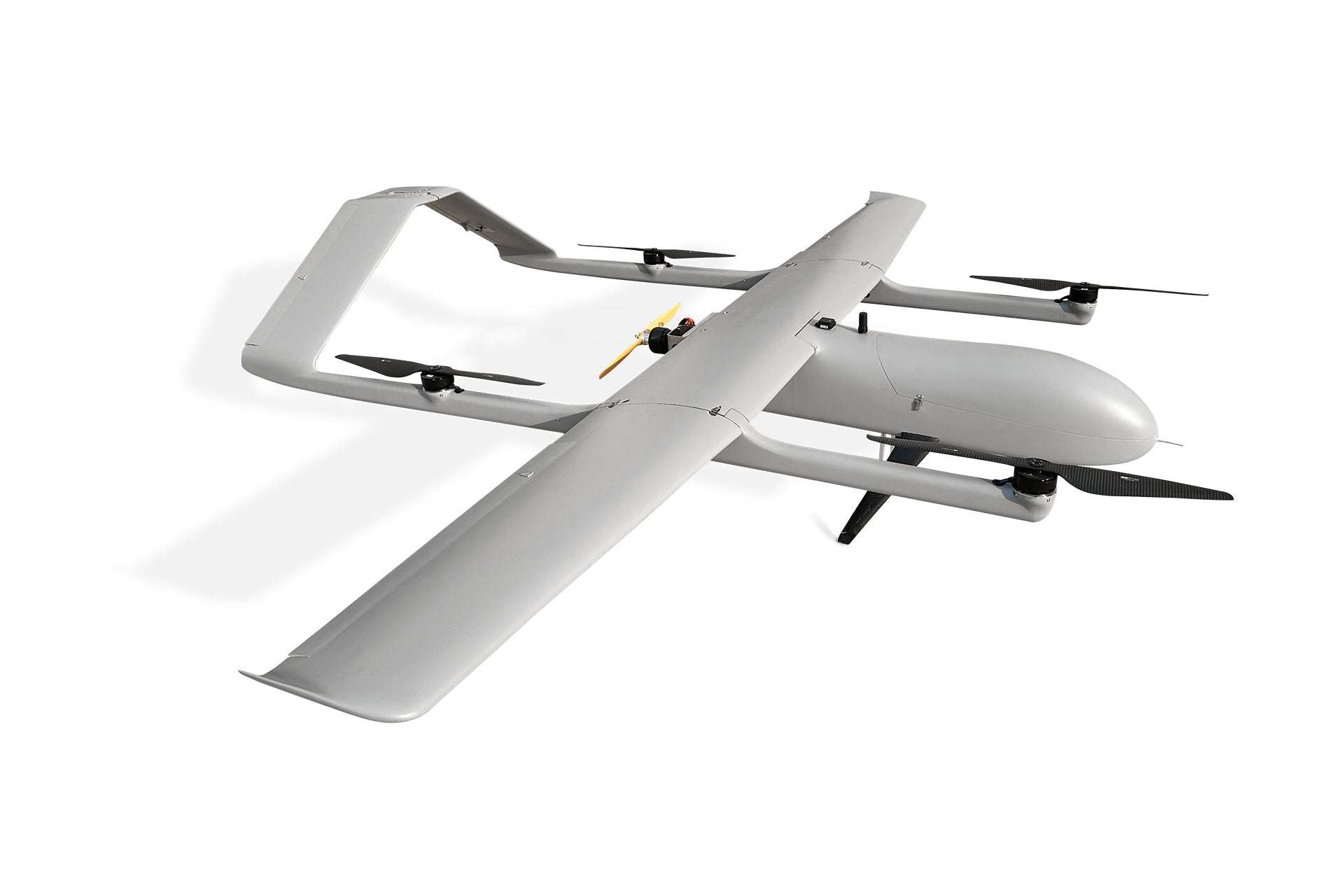
Recommended Product: SV360 Hybrid 5G Drone
For the latest in 5G-enabled UAVs, consider the SV360 Hybrid 5G Drone from UAVMODEL. It’s designed to fully utilize 5G technology, offering high-bandwidth data transfer and ultra-low latency communication, making it ideal for real-time applications.
4. Drone Swarms and Collaborative Flight
Drone swarms, which involve multiple drones working together in a coordinated manner, are set to become a significant trend. This technology has the potential to revolutionize industries like agriculture, security, and logistics. By leveraging advancements in AI and communication protocols, drone swarms can carry out complex tasks more efficiently and with greater precision.
For example, in agriculture, a fleet of drones could work together to monitor crops, apply fertilizers, and collect data in real-time, improving yield predictions and operational efficiency. Similarly, in logistics, drones could collaborate to transport goods, speeding up deliveries and reducing costs.
5. Regulatory Developments and Airspace Integration
As drone technology advances, the regulatory landscape will also need to evolve. Governments and aviation authorities around the world are working on creating frameworks for safe drone operations, particularly in shared airspace. In the next 5 to 10 years, we can expect more mature and globally consistent regulations that will enable drones to fly alongside manned aircraft in controlled airspace.
This regulatory shift will be essential for the widespread adoption of drones in commercial applications like package delivery and passenger transport. Moreover, the development of drone highways or corridors will enable safer, more efficient air traffic management for UAVs.
Emerging Drone Technologies to Watch
1. Hybrid VTOL Drones
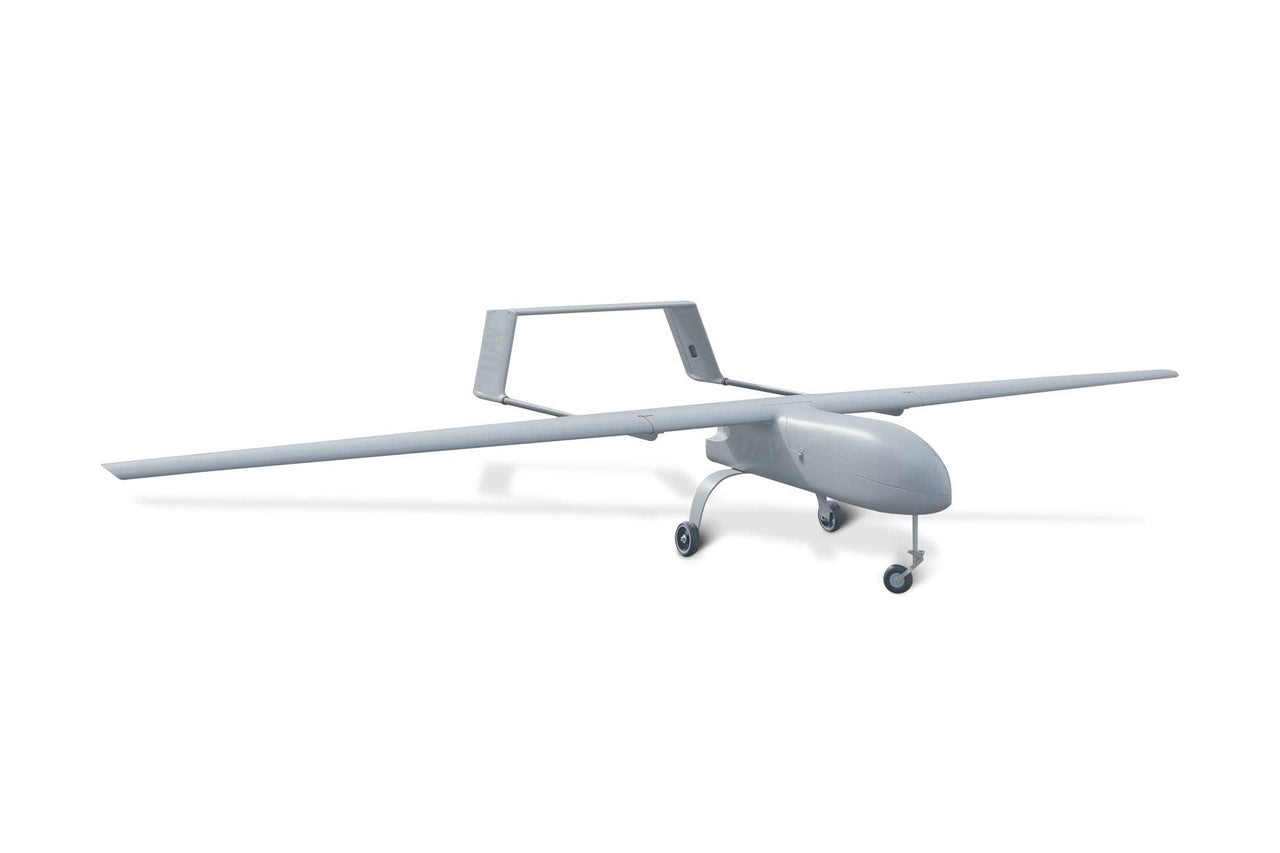
Vertical Take-Off and Landing (VTOL) drones are already gaining popularity for their ability to take off and land in confined spaces. In the future, hybrid VTOL drones—combining the advantages of fixed-wing and rotorcraft designs—will become more common. These drones will be able to fly long distances with greater efficiency while maintaining the versatility of vertical take-off and landing.
Hybrid VTOL drones will be particularly useful in industries such as surveying, monitoring, and search and rescue operations. Their ability to combine endurance with flexibility will make them indispensable for various high-demand applications.
Recommended Product: Skyeye Z4020 Hybrid VTOL Drone
Take a look at the Skyeye Z4020 Hybrid VTOL Drone, a perfect blend of fixed-wing efficiency and rotorcraft versatility. It's ideal for both long-range flights and urban area operations with vertical take-off and landing capability.
2. Quantum Computing in Drones
Quantum computing is another exciting field that could revolutionize drone technology in the coming decade. While still in its early stages, quantum computing promises to provide vastly superior computational power compared to traditional computers. This could enable drones to process complex data sets at unprecedented speeds, improving their decision-making capabilities and ability to handle complex tasks.
In the future, quantum computing could enable drones to perform highly advanced simulations, analyze large datasets in real-time, and make split-second decisions that would be impossible with current technology.
3. Solar-Powered Drones
As drone use cases expand, so does the need for longer flight times. Solar-powered drones represent a promising solution to this challenge. By harnessing the power of the sun, these drones could remain airborne for extended periods without needing to land for recharging.
Solar-powered drones could be particularly useful for environmental monitoring, surveillance, and communications in remote areas. The ability to operate for longer periods will allow these drones to carry out missions that would otherwise require frequent recharging or support infrastructure.
Industry Applications of Emerging Drone Technologies
1. Logistics and Delivery Services
Drones are set to revolutionize the logistics and delivery sectors in the next decade. Companies like Amazon and UPS are already experimenting with drone delivery, and with advancements in AI, autonomous flight, and 5G, drone delivery services will become more widespread.
The use of drones in last-mile delivery will significantly reduce shipping times and costs, especially in congested urban environments. Furthermore, drones will be able to transport goods to remote or hard-to-reach areas where traditional delivery methods are inefficient.
2. Agriculture and Precision Farming
Drones are already being used in agriculture for tasks like crop monitoring, pest control, and spraying. As drone technology advances, we can expect to see even greater precision and automation in agriculture. AI-powered drones will be able to analyze soil health, predict crop yields, and optimize farming practices with greater accuracy.
This will help farmers increase efficiency, reduce waste, and maximize yields, all while minimizing the environmental impact of traditional farming practices.
3. Infrastructure Inspection and Maintenance
The ability of drones to access hard-to-reach areas makes them an invaluable tool for infrastructure inspection. In the coming years, drones equipped with advanced sensors and cameras will be able to inspect bridges, power lines, oil rigs, and other infrastructure more efficiently than ever before.
AI-powered drones will be able to autonomously identify cracks, corrosion, and other issues, providing real-time data to engineers and maintenance teams. This will reduce downtime, improve safety, and lower maintenance costs for infrastructure owners.
Conclusion
The next 5 to 10 years will be a period of immense growth and transformation for the drone industry. With advancements in AI, autonomous flight, 5G integration, and emerging technologies like quantum computing and solar-powered drones, the possibilities for UAV applications are vast and exciting. Drones will continue to revolutionize industries ranging from logistics and agriculture to infrastructure inspection and environmental monitoring.
By staying ahead of these trends and embracing new technologies, businesses can position themselves to thrive in the rapidly evolving drone landscape.