


The Ultimate Guide to UAV Drones: Technology, Components, and Industrial Applications
Introduction
Unmanned Aerial Vehicles (UAVs), commonly called drones, have transformed modern technology and industry. Over the past decade, UAV systems have evolved from hobby devices into powerful tools used in agriculture, mapping, inspection, surveillance, filmmaking, and logistics. As drone technology continues to develop, businesses and researchers increasingly rely on UAVs to collect data, improve efficiency, and reduce operational costs.
A modern drone is more than a flying machine. It is a complex system made up of several high performance components including propulsion systems, flight controllers, communication modules, and power management systems. Professional UAV suppliers provide a wide range of drone platforms and accessories such as VTOL aircraft, fixed wing drones, motors, ESCs, propellers, and battery chargers.
This guide explains how UAV technology works, introduces the main types of drones, and describes the components that power modern drone systems.
What Is a UAV
A UAV, or Unmanned Aerial Vehicle, is an aircraft that operates without a human pilot onboard. These aircraft are controlled remotely through radio communication or autonomously through programmed flight systems.
A typical UAV system includes several subsystems:
- Airframe or drone structure
- Propulsion system
- Flight control system
- Navigation and positioning system
- Communication and data transmission system
- Power system and batteries
- Payload equipment
These components work together to allow drones to fly safely and perform specialized tasks.
Types of UAV Drones
Different industries require different drone designs. UAV platforms are generally divided into three main categories.
Fixed Wing UAVs
Fixed wing drones are designed like traditional airplanes. They generate lift through wings and must move forward to remain airborne.
Main advantages include:
- Long flight endurance
- High efficiency
- Large coverage area
- Higher flight speed
Fixed wing UAVs are widely used for aerial surveying, agricultural monitoring, environmental research, pipeline inspection, and border surveillance.
VTOL Drones
VTOL stands for Vertical Takeoff and Landing. These drones combine the advantages of fixed wing aircraft and multirotor drones.
Key benefits include:
- Vertical takeoff and landing
- No runway required
- Long range capability
- Efficient energy usage
VTOL drones are widely used in mapping, inspection, and surveillance missions where runway space is limited.
Multirotor Drones
Multirotor drones are the most common type of UAV. They use multiple propellers to generate lift and maintain stable flight.
Common configurations include:
- Quadcopter
- Hexacopter
- Octocopter
These drones are widely used for aerial photography, inspection, search and rescue operations, and agricultural spraying.
Core Components of a Drone System
The performance of a drone depends greatly on the quality of its components. Professional UAV systems require reliable motors, controllers, propellers, and power systems.
Drone Motors
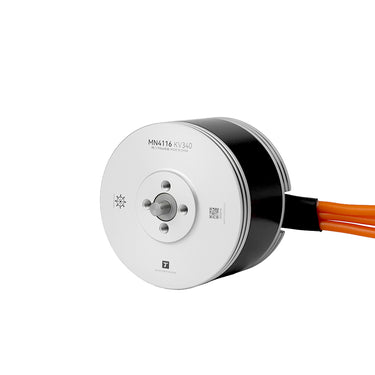
Drone motors generate the thrust needed for flight. Most UAVs use brushless DC motors because they are efficient, powerful, and durable.
Important motor specifications include:
- KV rating
- Maximum thrust
- Efficiency
- Motor weight
- Voltage compatibility
Electronic Speed Controllers
Electronic Speed Controllers, also called ESCs, regulate motor speed. The flight controller sends signals to the ESC, which adjusts the power delivered to each motor.
This allows the drone to hover, climb, descend, and change direction.
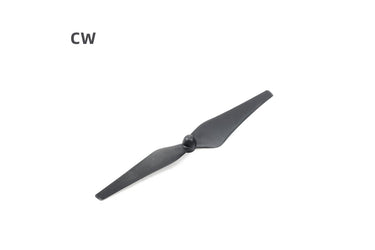
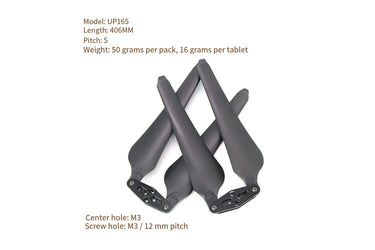
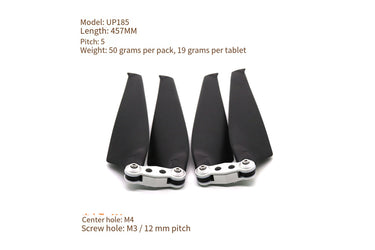
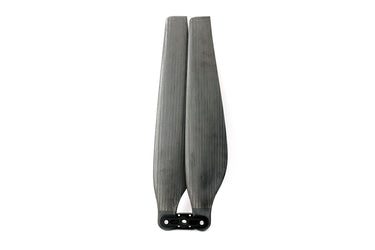
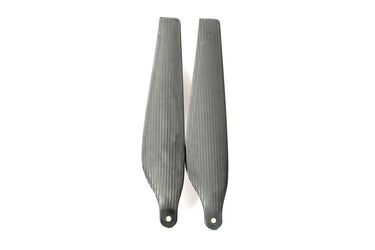
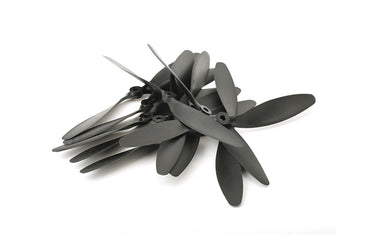
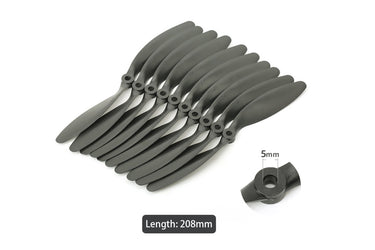
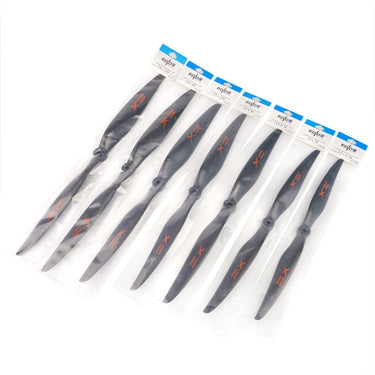
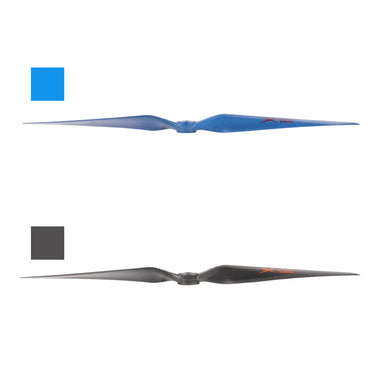
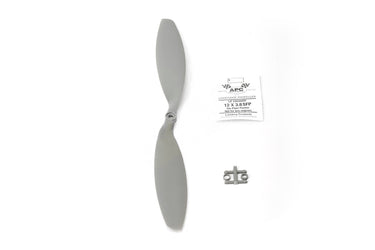
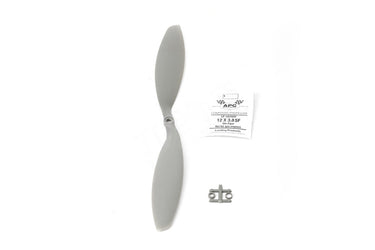
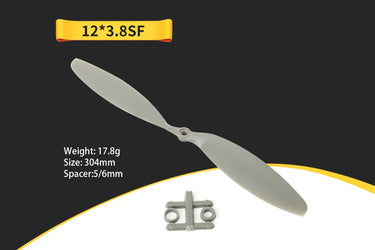
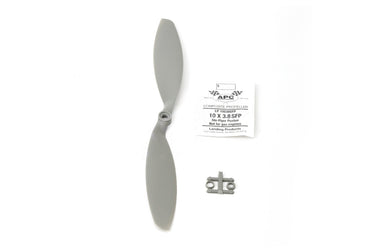
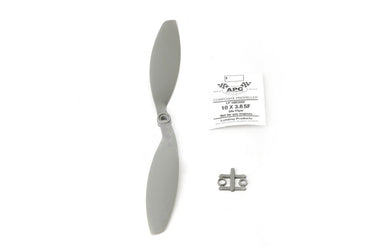
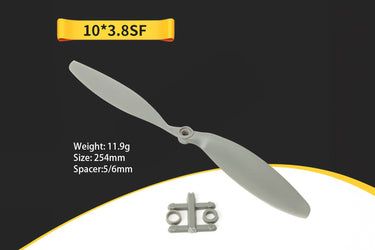
Propellers
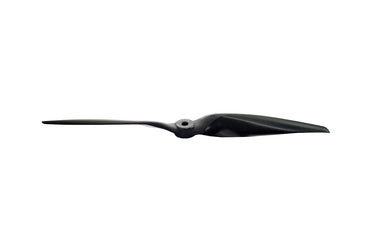
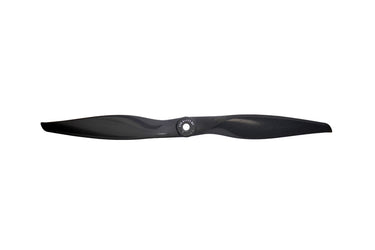
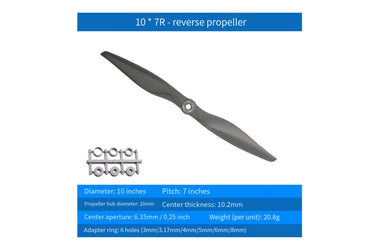
Propellers convert motor rotation into thrust. Their design strongly affects flight efficiency.
Important propeller characteristics include:
- Diameter
- Pitch
- Material
- Number of blades
Carbon fiber propellers are commonly used in professional UAV systems because they are strong, lightweight, and efficient.
Flight Controllers
The flight controller acts as the brain of a drone. It processes sensor data and stabilizes the aircraft during flight.
Typical sensors include:
- Gyroscope
- Accelerometer
- GPS module
- Barometer
- Magnetometer
Advanced flight controllers support autonomous features such as waypoint navigation, return to home, and automatic landing.
Power Systems and Batteries
Most professional drones use Lithium Polymer batteries because they provide high energy density and high discharge capability.
Important battery specifications include:
- Voltage
- Capacity
- Discharge rate
- Cell configuration
Drone Payload Systems
Payload equipment determines what a drone can do. Common payloads include:
- High resolution cameras
- LiDAR sensors
- Thermal cameras
- Multispectral sensors
- Agricultural spraying systems
- Delivery equipment
For example, mapping drones often carry LiDAR sensors or professional cameras to create accurate 3D maps.
Industrial Applications of UAV Technology
Agriculture
Agricultural drones help farmers monitor crops, analyze soil conditions, and perform precision spraying. This improves efficiency and reduces chemical use.
Infrastructure Inspection
Drones are widely used to inspect power lines, bridges, wind turbines, and pipelines.
Mapping and Surveying
Survey drones produce accurate maps and 3D models used in construction, mining, and land planning.
Emergency Response
Drones help emergency teams locate missing people, assess disasters, and monitor fires.
Advantages of UAV Technology
Efficiency
Drones collect aerial data quickly compared with traditional survey methods.
Lower Cost
Drone operations are much cheaper than helicopters or manned aircraft.
Improved Safety
Drones allow inspections in dangerous environments without risking human lives.
High Precision
Modern sensors and GPS systems allow highly accurate data collection.
Future Trends in UAV Technology
- Artificial intelligence powered drones
- Drone swarm systems
- Hybrid VTOL aircraft
- Advanced battery technology
- Integration with 5G networks
Conclusion
UAV technology has become one of the most important innovations in modern aviation. From agriculture to infrastructure inspection, drones are transforming many industries.
Understanding drone platforms and components such as motors, ESCs, propellers, flight controllers, and power systems is essential for building reliable UAV systems.
As technology continues to improve, the demand for advanced drones and UAV components will continue to grow worldwide.