

The Evolution of UAV Technology: Components, Applications, and Future Trends
Unmanned Aerial Vehicles (UAVs), commonly known as drones, have transformed modern aviation and many global industries. From aerial photography and agricultural monitoring to industrial inspection and emergency response, UAV technology continues to expand rapidly.
Modern drone systems rely on advanced electronics, propulsion systems, flight controllers, and power management technologies. Many UAV platforms today integrate components such as brushless motors, electronic speed controllers (ESC), propellers, intelligent battery chargers, and advanced flight control systems to deliver stable and efficient flight performance.
UAVs are aircraft that operate without an onboard human pilot and can be controlled remotely or fly autonomously using sensors, GPS navigation, and onboard computers. These technologies allow drones to perform complex tasks in environments where traditional aircraft are inefficient or impractical.
What Is UAV Technology?
UAV technology refers to the engineering and operational systems that allow drones to fly autonomously or through remote control. A complete UAV ecosystem includes multiple hardware and software components working together to maintain stable flight and mission execution.
The key elements of a drone system typically include:
- Drone airframe or aircraft structure
- Flight control system
- Propulsion system
- Power system and batteries
- Navigation and communication systems
- Payload sensors or cameras
Advancements in these technologies have significantly increased drone flight range, payload capacity, and operational efficiency.
Main Types of UAV Platforms
Multi-Rotor Drones
Multi-rotor UAVs are among the most common drone configurations. These drones use multiple propellers to generate lift and control movement. Common configurations include quadcopters, hexacopters, and octocopters.
Multi-rotor drones offer excellent maneuverability and the ability to hover in place. This makes them ideal for applications such as aerial photography, surveillance, and infrastructure inspection.
Fixed Wing UAVs
Fixed-wing drones operate similarly to traditional airplanes. Instead of using multiple rotors to stay airborne, they rely on aerodynamic lift generated by their wings.
Compared with multi-rotor drones, fixed-wing UAVs offer several advantages:
- Longer flight time
- Higher flight efficiency
- Greater coverage area
- Higher cruising speeds
These characteristics make fixed-wing drones ideal for large-scale mapping, environmental monitoring, and agricultural surveying.
VTOL Hybrid Drones
Vertical Take-Off and Landing (VTOL) drones combine the advantages of both multi-rotor and fixed-wing UAV designs. They can take off vertically like a quadcopter and transition into efficient fixed-wing flight.
This hybrid capability eliminates the need for runways and allows drones to operate in remote environments. VTOL UAVs are widely used for aerial surveying, border patrol, and long-range mapping missions.
Core Components of Modern Drone Systems
Drone Motors
Brushless motors provide the thrust required to power most UAVs. These motors are designed to deliver high efficiency, reliability, and strong torque while maintaining a lightweight structure.
High-performance drone motors are essential for applications such as heavy-lift drones, aerial survey platforms, and industrial inspection UAVs.
Electronic Speed Controllers (ESC)
The Electronic Speed Controller regulates the speed of brushless motors by adjusting electrical signals from the flight controller. ESC systems ensure smooth acceleration, precise motor control, and efficient energy consumption.
Modern ESCs support high-voltage battery systems and high current loads required by large UAV platforms.
Drone Propellers
Propellers convert motor rotation into thrust. Their size, material, and design significantly influence flight efficiency and stability.
Common propeller materials include:
- Carbon fiber
- Composite materials
- Reinforced plastics
Larger propellers are typically used for industrial drones and agricultural UAVs that require higher thrust and lifting capacity.
Flight Controllers
The flight controller acts as the brain of the drone. It processes data from multiple onboard sensors such as gyroscopes, accelerometers, GPS modules, and magnetometers.
Based on this data, the flight controller continuously adjusts motor speeds to stabilize the aircraft and maintain controlled flight.
Drone Batteries and Charging Systems
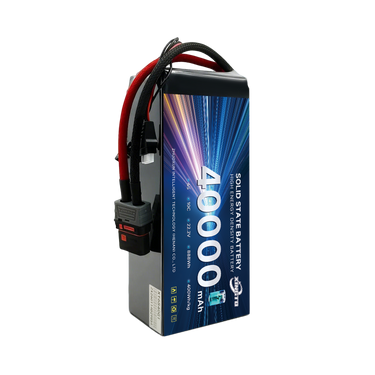
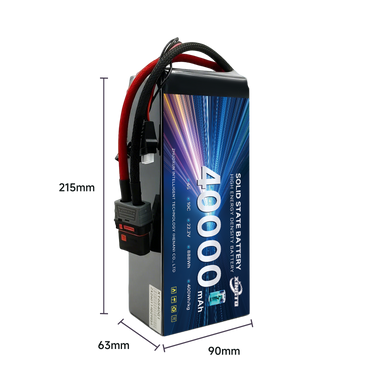
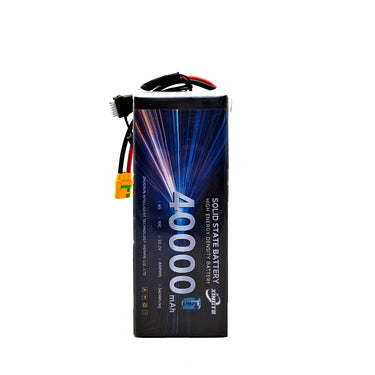
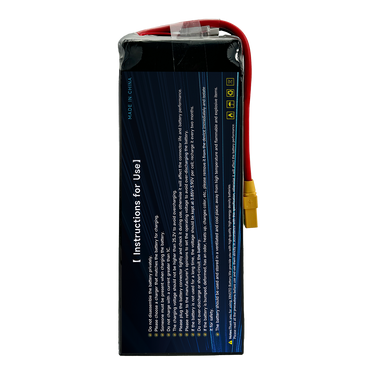
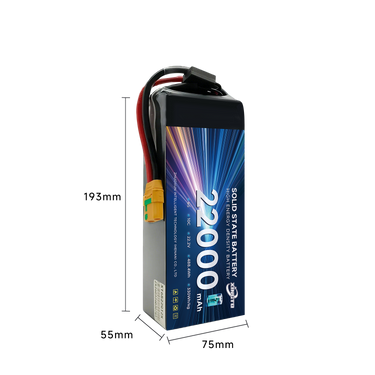
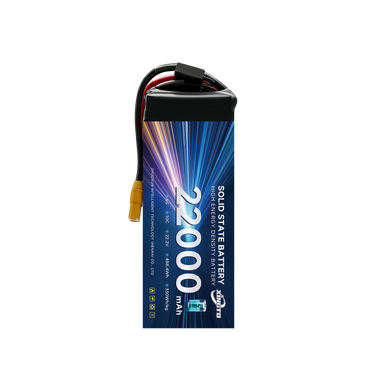
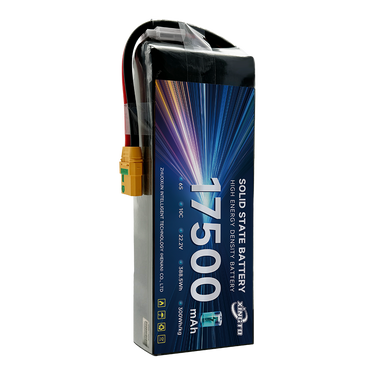
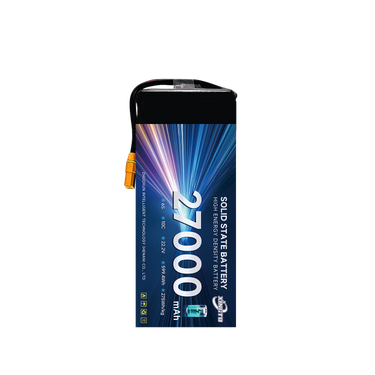
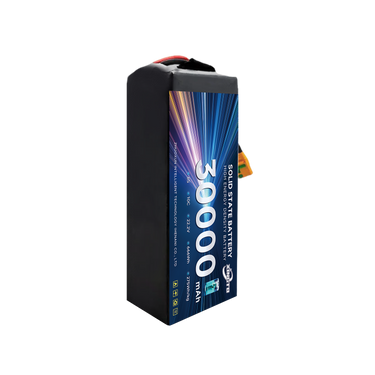
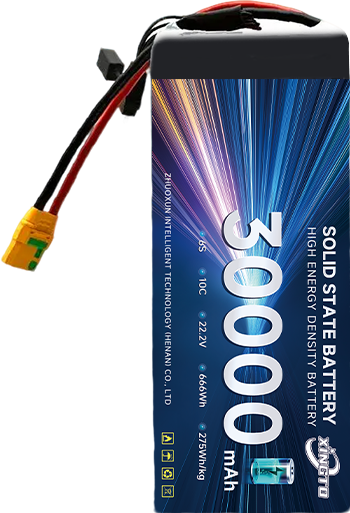
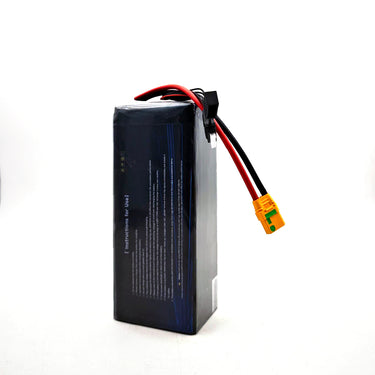
Power systems play a critical role in UAV performance. Lithium polymer (LiPo) batteries are commonly used in drones due to their high energy density and lightweight design.
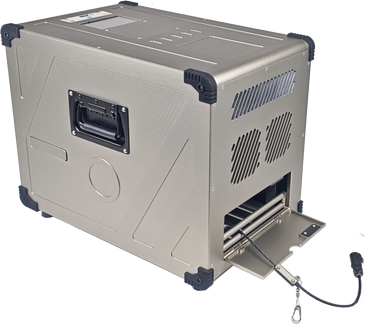
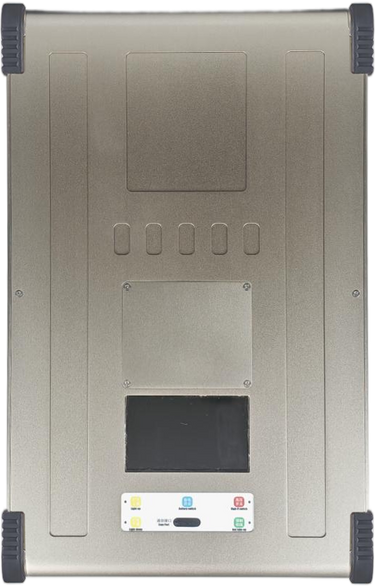
Advanced UAV battery chargers help maintain battery health while ensuring safe and efficient charging of multi-cell battery packs used in professional drones.
Major Applications of UAV Technology
Aerial Photography and Media Production
Drones have revolutionized the film and media industry by making aerial filming more affordable and accessible. Professional filmmakers use UAVs equipped with stabilized cameras to capture cinematic aerial shots.
Precision Agriculture
Agricultural drones help farmers monitor crop health, detect plant diseases, and optimize fertilizer and pesticide usage. By collecting high-resolution aerial data, farmers can improve productivity and reduce environmental impact.
Industrial Inspection
Drones are widely used to inspect infrastructure such as power lines, wind turbines, oil pipelines, and bridges. UAVs reduce inspection risks by eliminating the need for workers to access hazardous locations.
Search and Rescue Operations
Emergency responders use drones to quickly survey large areas when searching for missing persons or assessing disaster zones. Thermal cameras can detect heat signatures even in low-visibility conditions.
Environmental Monitoring
Researchers and conservation organizations use drones to monitor wildlife populations, track deforestation, and study environmental changes in remote regions.
The Future of UAV Technology
Drone technology continues to evolve rapidly as new innovations emerge in artificial intelligence, autonomous navigation, and energy systems.
Future UAV developments may include:
- Fully autonomous drone operations
- AI-based aerial data analysis
- Long-endurance flight systems
- Swarm drone technology
Conclusion
UAV technology has rapidly evolved into one of the most transformative innovations in modern aviation. With advancements in propulsion systems, flight control technology, and energy efficiency, drones are now capable of performing complex missions across multiple industries.
As the UAV industry continues to grow, the demand for reliable drone components, advanced aircraft platforms, and intelligent control systems will continue to expand. From VTOL drones and fixed-wing UAVs to motors, ESCs, propellers, and battery systems, every component plays a vital role in building high-performance drone platforms.
The future of UAV technology promises even greater automation, efficiency, and innovation, making drones an essential part of the global technological landscape.