


The Ultimate Guide to Professional UAV Drones and Components (2026 Edition)
Unmanned Aerial Vehicles (UAVs), commonly known as drones, are transforming industries worldwide. From aerial mapping to precision agriculture, modern UAV platforms provide unmatched efficiency, scalability, and automation.
A UAV is an aircraft that operates without an onboard human pilot. It can be remotely controlled or fly autonomously using advanced systems such as GPS navigation, onboard sensors, and intelligent flight controllers.
Why UAV Drones Are Revolutionizing Industries
1. Cost Efficiency
Traditional aerial operations such as helicopters and manual inspections are expensive and time-consuming. UAVs significantly reduce operational costs while improving efficiency.
2. Accessibility
Drones can easily access remote or dangerous locations, including power lines, wind turbines, and disaster areas.
3. Data Accuracy
Equipped with high-resolution cameras and sensors, UAVs deliver precise data for mapping, surveying, and monitoring.
4. Automation
Modern UAV systems can perform autonomous missions using pre-programmed flight paths, reducing the need for manual control.
Types of UAV Drones Available
Fixed-Wing UAVs
Fixed-wing drones resemble traditional airplanes and are ideal for long-range missions and large-area coverage.
- Long flight duration
- High energy efficiency
- Wide coverage capability
They are commonly used in mapping, surveying, and surveillance applications.
VTOL (Vertical Take-Off and Landing) UAVs
VTOL drones combine the efficiency of fixed-wing aircraft with vertical takeoff and landing capability.
- No runway required
- Extended endurance
- Flexible deployment
Multi-Rotor UAV Systems
Multi-rotor drones are widely used for precision operations such as aerial photography and agricultural spraying.
- Stable hovering
- High maneuverability
- Easy to operate
Core Components of a UAV System
Flight Control System
The flight controller acts as the brain of the UAV, managing stabilization, navigation, and autonomous flight.
Power System
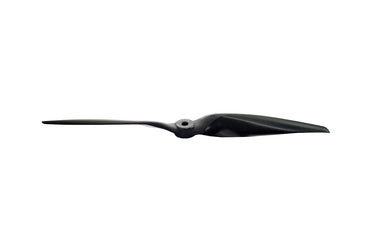
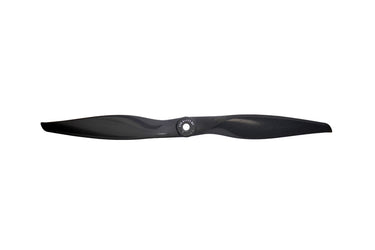
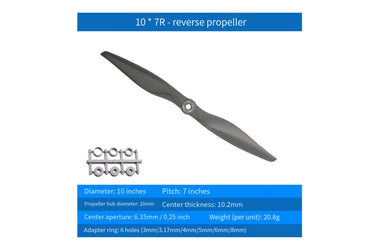
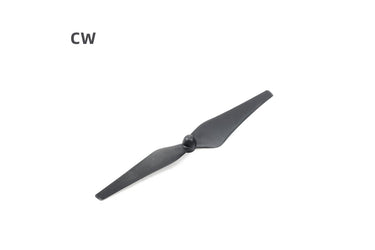
This includes motors, ESCs (Electronic Speed Controllers), and batteries, typically LiPo batteries for high energy density.
Communication Systems
These systems ensure reliable data transmission between the UAV and the ground control station.
Payload Systems
Payloads vary depending on the application and may include RGB cameras, thermal cameras, LiDAR sensors, or spraying systems.
Ground Control Station (GCS)
The GCS is used for mission planning, real-time monitoring, and data analysis.
Industrial Applications of UAV Drones
Aerial Mapping and Surveying
UAVs provide high-resolution mapping with centimeter-level accuracy.
Precision Agriculture
Farmers use drones for crop monitoring, fertilizer spraying, and pest detection.
Infrastructure Inspection
Drones inspect bridges, pipelines, and power lines safely and efficiently.
Aerial Photography and Filmmaking
Professional UAVs enable high-quality aerial imaging at a lower cost compared to traditional methods.
Search and Rescue
Drones equipped with thermal imaging can help locate missing persons quickly in emergency situations.
Key Advantages of Professional UAV Platforms
- Long endurance flight capability
- Modular payload integration
- High-performance propulsion systems
- Support for customization (OEM and ODM)
Popular UAV Product Categories
Fixed-Wing Drone Platforms
Designed for long-distance mapping and surveying missions.
VTOL UAV Systems
Hybrid drones that offer both flexibility and endurance.
Drone Power Systems
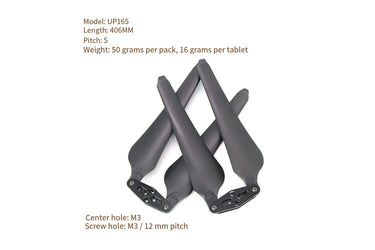
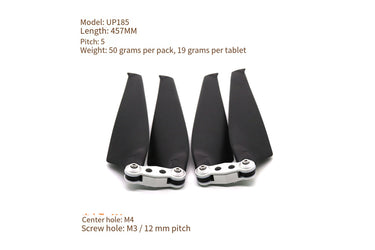
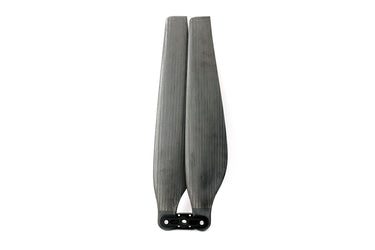
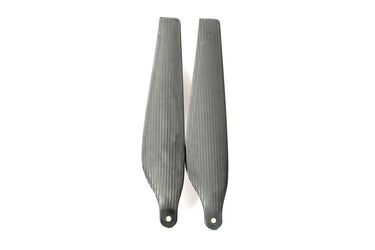
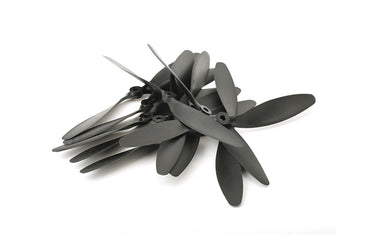
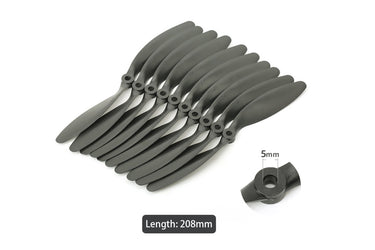
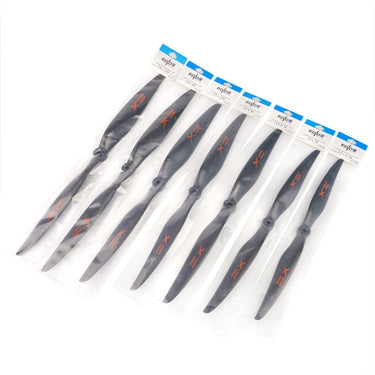
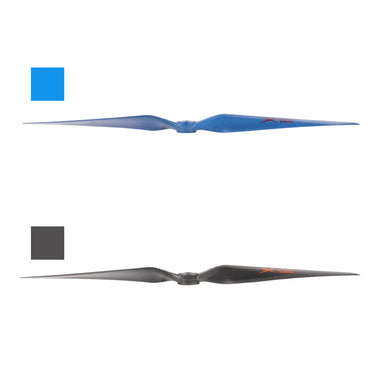
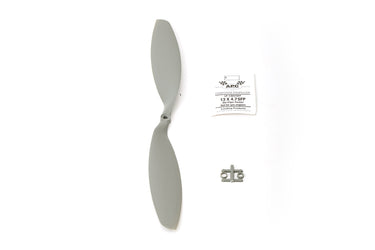
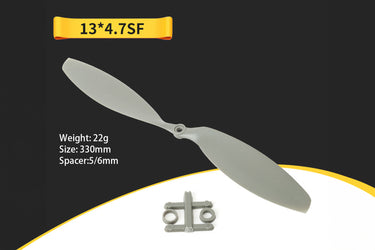
Includes motors, ESCs, and propulsion kits for industrial UAV applications.
UAV Accessories
Ground stations, antennas, and payload modules enhance UAV capabilities.
How to Choose the Right UAV Drone
Flight Time
Select a UAV with sufficient endurance based on your mission requirements.
Payload Capacity
Ensure the drone can carry the sensors or equipment you need.
Range and Communication
Reliable long-distance communication is essential for industrial operations.
Application Type
- Mapping: Fixed-wing UAV
- Agriculture: Multi-rotor UAV
- Mixed terrain: VTOL UAV
Budget and Scalability
Choose a platform that supports future upgrades and modular expansion.
The Future of UAV Technology
The UAV industry continues to evolve with innovations such as AI-powered navigation, swarm drone systems, and beyond visual line of sight (BVLOS) operations.
Integration with IoT and cloud computing will further enhance UAV capabilities.
Conclusion
UAV drones have become essential tools across industries including agriculture, mapping, and infrastructure inspection. Their efficiency, accuracy, and scalability make them indispensable in modern operations.
Choosing the right UAV system based on your specific needs is critical to achieving optimal performance and return on investment.