


The Ultimate Guide to Drone Electronics: Powering Modern UAV Performance
Unmanned Aerial Vehicles (UAVs), commonly known as drones, are transforming industries such as agriculture, mapping, infrastructure inspection, logistics, and security. While the airframe and propulsion system often receive the most attention, the intelligence and functionality of a drone come from its electronic components.
Drone electronics are responsible for power distribution, navigation, communication, flight stabilization, and mission control. Without advanced electronic systems, a UAV cannot maintain stable flight or perform complex operations such as autonomous navigation or aerial data collection.
The UAVMODEL electronics category includes a wide range of components such as ESCs, motors, propellers, flight controllers, and integrated power systems designed for professional drone applications. These components help improve performance, reliability, and efficiency in UAV systems.
Understanding Drone Electronics
Drone electronics refer to the electronic systems that control, power, and monitor UAV operations. These components act as the nervous system of the aircraft, transmitting signals, processing data, and ensuring stable flight.
A typical drone electronic system includes several subsystems:
- Flight control systems
- Motor control electronics
- Navigation sensors
- Communication systems
- Power management components
Each subsystem plays an important role in enabling the drone to operate safely and efficiently.
Key Drone Electronic Components
1. Flight Controllers - The Brain of a Drone
The flight controller is the central processing unit of a drone. It receives input from sensors and remote control systems and calculates how the drone should respond.
Main functions of a flight controller include:
- Maintaining flight stability
- Processing sensor data
- Executing flight modes
- Controlling motor output
- Supporting autonomous navigation
Advanced flight controllers are widely used in mapping drones, VTOL aircraft, and long endurance UAV systems.
2. Electronic Speed Controllers (ESC)
Electronic Speed Controllers, often called ESCs, regulate the power delivered from the battery to the brushless motors. They act as the bridge between the flight controller and the motors.
ESCs adjust the voltage and current supplied to each motor, allowing the drone to:
- Accelerate
- Slow down
- Climb
- Descend
- Turn and maneuver
High performance ESCs designed for industrial UAVs often support high voltage battery systems such as 12S or 14S batteries, delivering greater thrust and efficiency.
3. Brushless Motors
Brushless motors generate thrust by spinning the propellers. These motors convert electrical energy into mechanical rotation.
Key features of drone motors include:
- High efficiency
- Lightweight construction
- Long operational lifespan
- High torque output
Many professional UAV platforms use integrated propulsion systems that combine motors, ESCs, and propellers into optimized power kits.
4. Propellers
Propellers convert motor rotation into thrust. The design, size, and material of propellers significantly affect drone performance.
Carbon fiber propellers are widely used in industrial UAVs because they provide:
- Higher rigidity
- Better aerodynamic efficiency
- Lower vibration
- Greater durability
5. Radio Control Systems
Radio control systems allow pilots to communicate with the drone in real time. These systems normally include two parts:
- Transmitter - the handheld controller used by the operator
- Receiver - the onboard module that receives commands
Modern drone control systems often operate on 2.4 GHz frequencies, providing stable signals and long transmission distances.
Drone Sensors and Navigation Electronics
Modern UAV systems rely heavily on sensors to maintain stability and enable autonomous flight.
Common drone sensors include:
- Gyroscopes
- Accelerometers
- GPS modules
- Optical flow sensors
- Radar or LiDAR systems
These sensors allow drones to maintain position, avoid obstacles, and follow programmed flight routes.
Power Systems for Drone Electronics
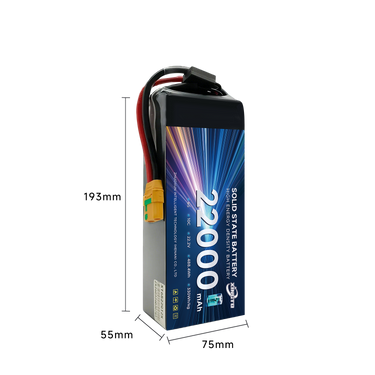
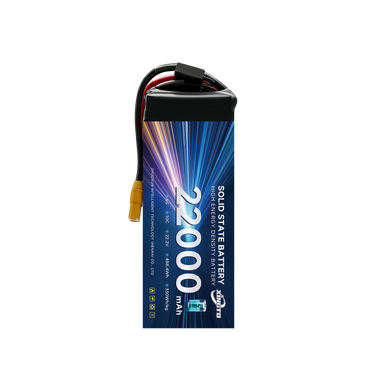
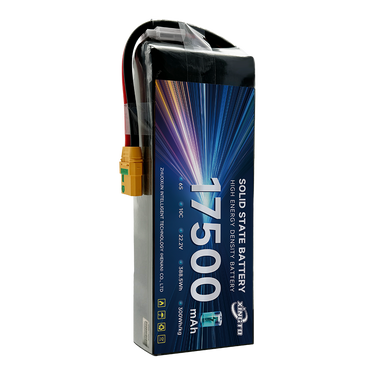
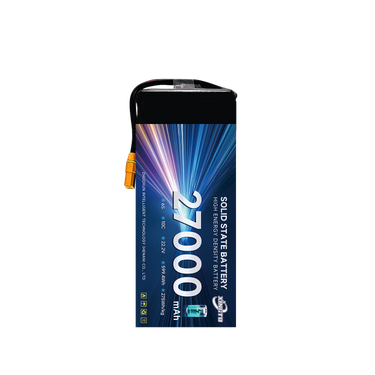
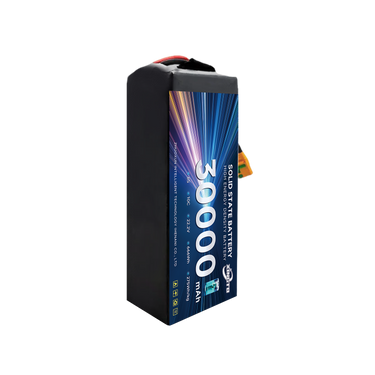
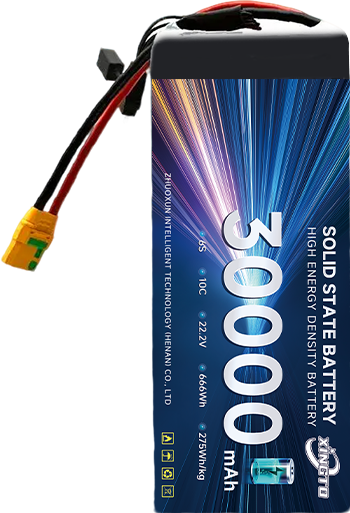
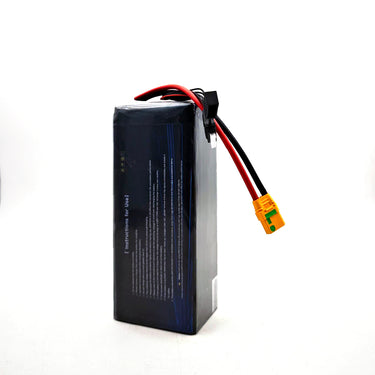
Most drones use Lithium Polymer batteries, also known as LiPo batteries, to power their electronic systems. These batteries provide high energy density and strong discharge capability.
Benefits of LiPo batteries include:
- Lightweight design
- High power output
- Fast discharge rates
- High energy to weight ratio
Efficient power management ensures that all onboard systems receive stable energy during flight.
Applications of Drone Electronics
Agricultural Drones
Drone electronics allow agricultural UAVs to perform automated spraying, crop monitoring, and precision farming operations.
Industrial Inspection
Inspection drones equipped with advanced electronics can inspect infrastructure such as power lines, wind turbines, and pipelines.
Aerial Mapping
Mapping drones use GPS and sensor systems to collect geospatial data and produce accurate aerial maps.
Search and Rescue
Emergency response drones rely on reliable electronics and sensors to perform search operations and disaster assessment missions.
Advantages of High Quality Drone Electronics
- Improved flight stability
- Higher propulsion efficiency
- Better reliability in harsh environments
- Enhanced safety during missions
How to Choose the Right Drone Electronics
When selecting electronics for a UAV platform, several factors should be considered:
- Compatibility between components
- Voltage and power requirements
- Application type
- Reliability and durability
Choosing professional grade components ensures better performance and longer service life.
The Future of UAV Electronics
Drone electronics continue to evolve rapidly with the development of artificial intelligence, autonomous navigation, and advanced sensor technologies.
Future UAV systems will increasingly rely on:
- AI powered flight control
- Autonomous swarm coordination
- Advanced obstacle avoidance
- High efficiency propulsion electronics
Conclusion
Drone electronics form the backbone of modern UAV systems. From flight controllers and ESCs to motors and navigation sensors, each component plays a critical role in enabling stable and efficient drone operations.
As drone technology expands across industries, the demand for reliable UAV electronic components will continue to grow. Understanding these systems helps engineers, developers, and drone enthusiasts build more capable and efficient aerial platforms.